
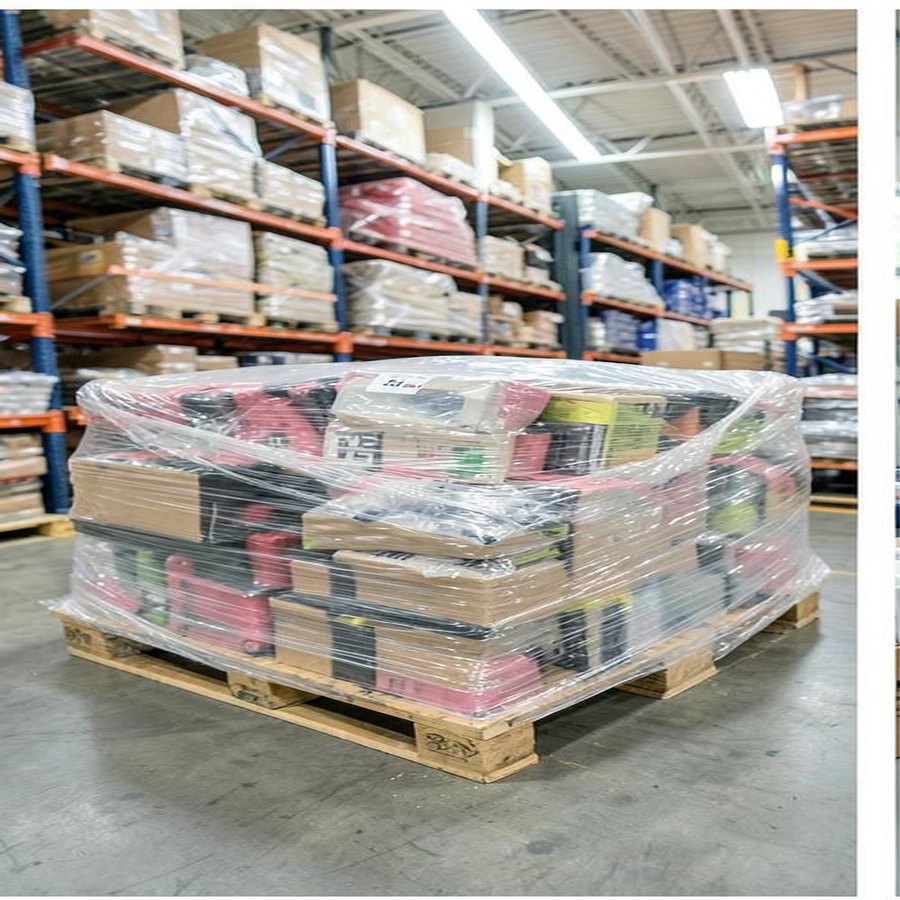
Buying your first liquidation pallet is mostly a documentation exercise. The pallet itself is simple — a shrink-wrapped stack of retail inventory a store no longer wants. What separates a good purchase from an expensive lesson is how much you know about that stack before you pay for it: the condition grade, the load type, the unit count, the delivery terms and the return terms.
This guide walks through the whole process the way we run it at PalletCove Liquidation, a Texas-registered wholesale liquidator shipping pallets and truckloads from our Dallas dock to all 48 contiguous states.
What a liquidation pallet actually is
A liquidation pallet is retail inventory that has left the normal sales cycle. It reaches the secondary market through four main routes:
- Customer returns — items a shopper brought back, in any state from unopened to used.
- Overstock — inventory that never sold, usually still sealed in retail packaging.
- Shelf pulls — stock removed from display for a reset, season change or packaging refresh.
- Closeouts — discontinued lines cleared in bulk.
Every listing in our shop states which of those it is, because the four behave very differently once the wrap comes off. If a seller will not tell you the load type, that is the first red flag. Our liquidation overview explains how this supply chain works end to end.
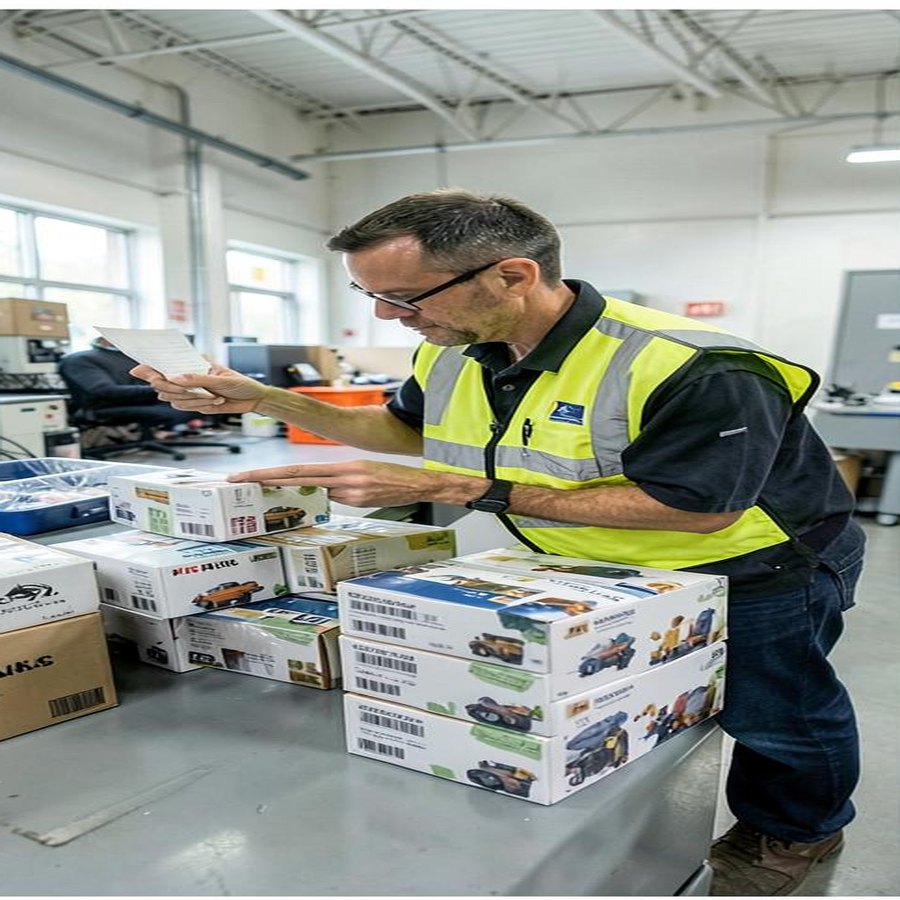
Step 1 — Pick a load size you can actually process
Resellers usually overbuy on their first order. Start with the smallest unit that lets you test a category:
| Load size | Typical use |
|---|---|
| --- | --- |
| Single pallet | Testing a category or a retailer source for the first time |
| Two to four pallets | A steady weekly or monthly resale operation |
| Full truckload | 16–48 pallets for wholesale buyers and store operators |
If you are unsure which to start with, read Buying Pallets first, then compare it with Buying Truckloads. Our Types of Pallets page breaks down the specific categories we stock, and Truckloads for Sale shows what is currently staged by the trailer.
Step 2 — Read the condition grade, not the retail value
Estimated retail value is supplier-provided and tells you almost nothing about what you can sell. The condition grade tells you everything. Read it carefully on the listing, and if anything is ambiguous, ask before ordering — our Facts & Answers page documents how we apply each grade.
Two rules that save new buyers money:
- Treat every liquidation purchase as sold as-is. Our Warranty Policy and Returns & Refund Policy set out exactly what that means.
- Assume a portion of any returns load will be unsellable at full price. Plan for repair, bundling or parting out.
Step 3 — Check the manifest or category breakdown
Some loads are manifested, with a line-item document listing quantities and descriptions. Others are category-level, meaning you get the department mix and unit count rather than a per-item list. Both are legitimate; they are simply different levels of detail, and the listing says which one you are buying.
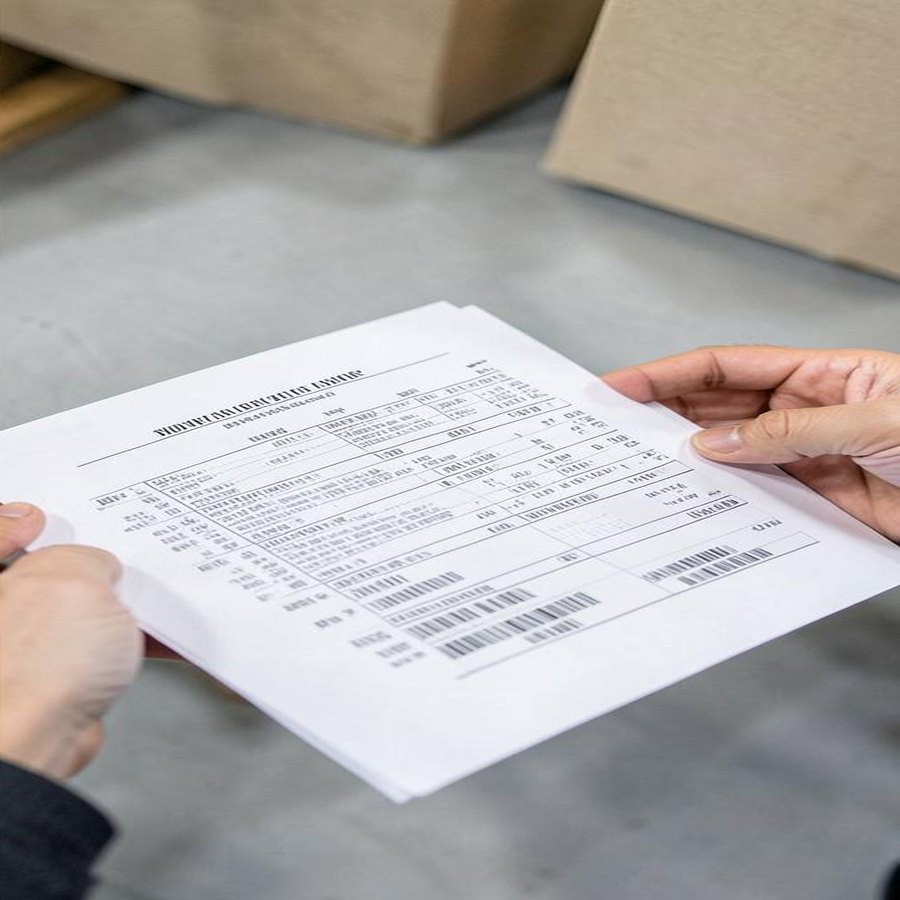
Ask for the manifest or breakdown before payment. If a seller only offers a vague description and a price, walk away — that is how "mystery pallet" listings are sold, and we do not sell them. The FAQs page covers what documentation accompanies each load type.
Step 4 — Work out your cost per unit
Divide the load price by the unit count on the listing. That single number — cost per unit — is the only figure worth comparing between two loads, because retail value, pallet height and photos are all easy to make look impressive.
Since every PalletCove order ships with free freight delivery included, your cost per unit is simply the load price divided by the units. There is no separate freight line to model, no accessorial charges and no surprise surcharge at the door. Our Shipping & Delivery Policy sets that out in writing.
Step 5 — Order, pay and get your paperwork
Our process is deliberately paper-heavy:
- Add the load to your cart or call our order desk on the number listed on the contact page.
- Choose your payment method. We accept card, ACH and domestic bank wire — see the Payment Policy.
- A representative confirms availability and sends your invoice.
- Once payment clears, your load is picked and dispatched within 1–3 business days with a bill of lading and tracking.
Sales tax on qualifying orders is covered by PalletCove, and resale certificates are accepted where your state allows it. The details are on our Sales Tax Policy page.
Step 6 — Inspect on the day of delivery
This is the step most first-time buyers skip, and it is the one that protects you:
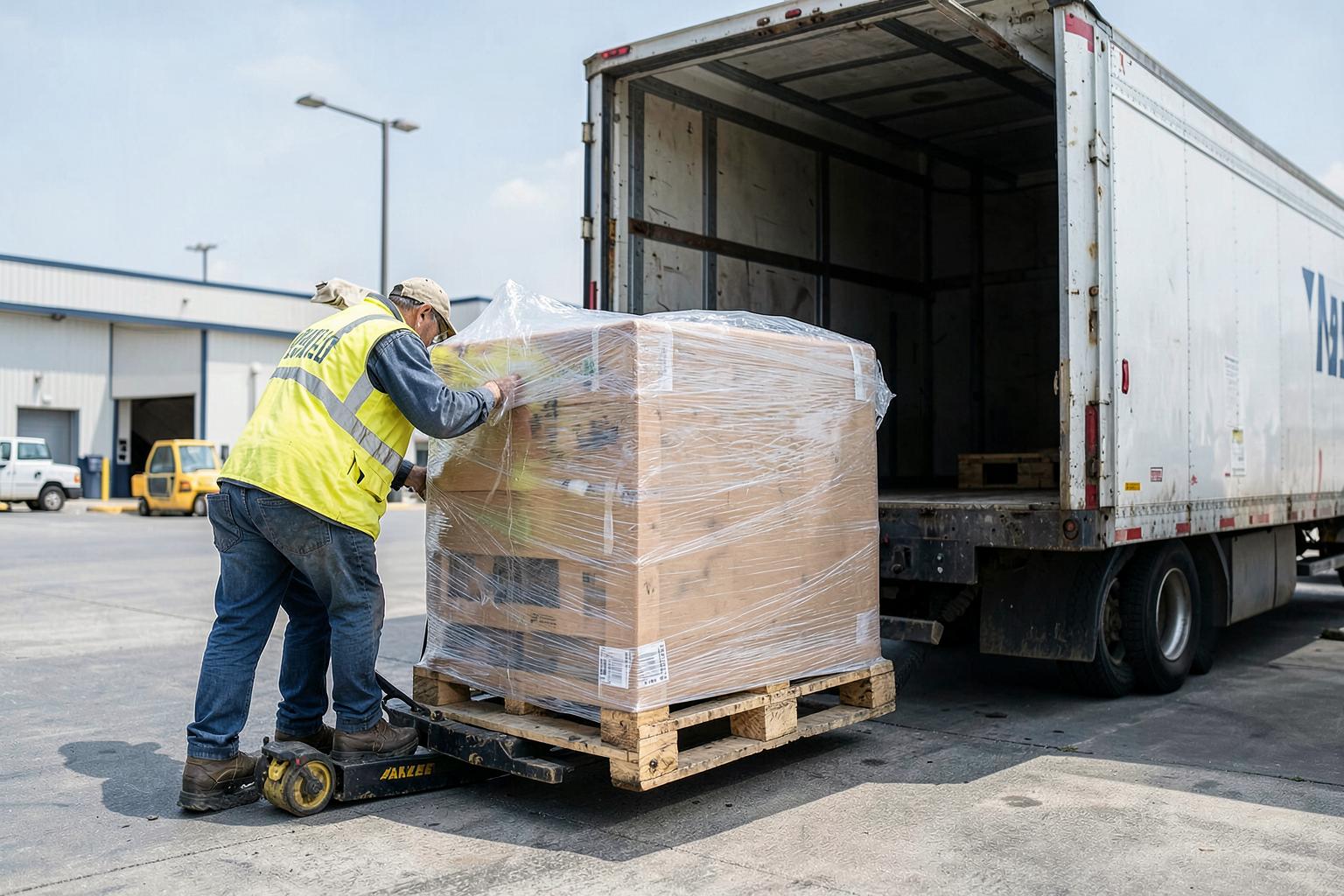
- Count the pallets against the delivery receipt before the driver leaves.
- Photograph the wrap and any visible damage.
- Note shortages or damage on the receipt, then contact us within 48 hours.
Signing a clean receipt makes a carrier claim very hard to recover. Our Support Center walks through the claim process step by step.
Common mistakes to avoid
- Buying on retail value alone. Compare cost per unit instead.
- Ignoring the load type. Overstock and customer returns are not interchangeable.
- Skipping the policies. The Terms of Service and Returns & Refund Policy define what happens if something goes wrong.
- Buying more than you can process. Storage and sorting time are real costs.
- Assuming a guaranteed outcome. Nobody can promise resale results; treat any seller who does with caution.
Where to start today
Browse what is on the dock right now in the shop, narrow by source in all categories, or look at discounted odd lots on the Clearance Lots page. If you have inventory to move rather than buy, we also purchase overstock and returns by the trailer — see Sell to Us.
Questions about a specific load? Call the order desk or send a message from the contact page and a representative will walk the listing through with you before you commit.
PalletCove Liquidation LLC is an independent wholesale liquidator. Retailer names identify the original source of merchandise only and imply no affiliation or endorsement. All merchandise is sold as-is for resale. Estimated retail values are supplier-provided and are not a guarantee of resale value.