
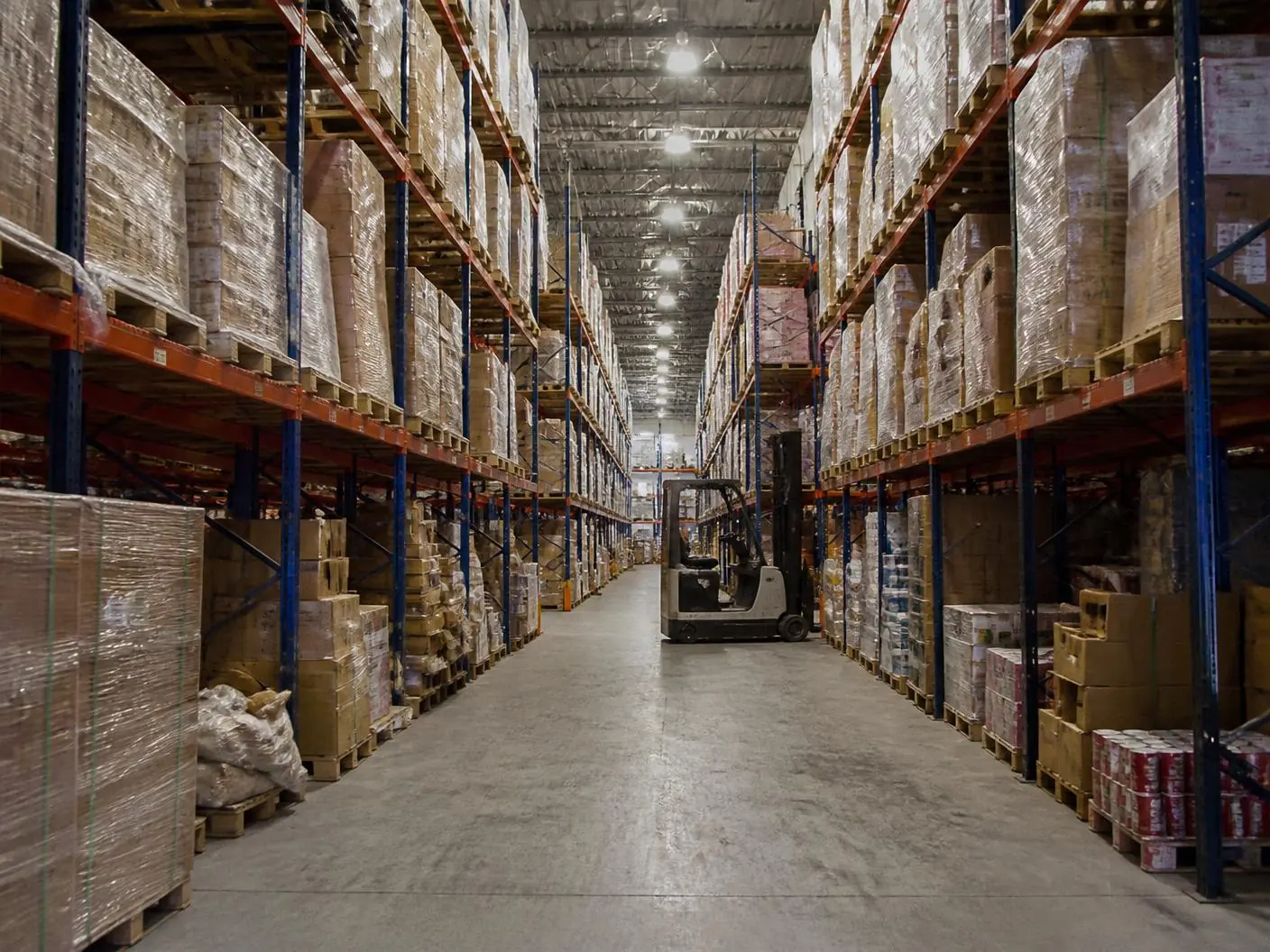
Every load is documented
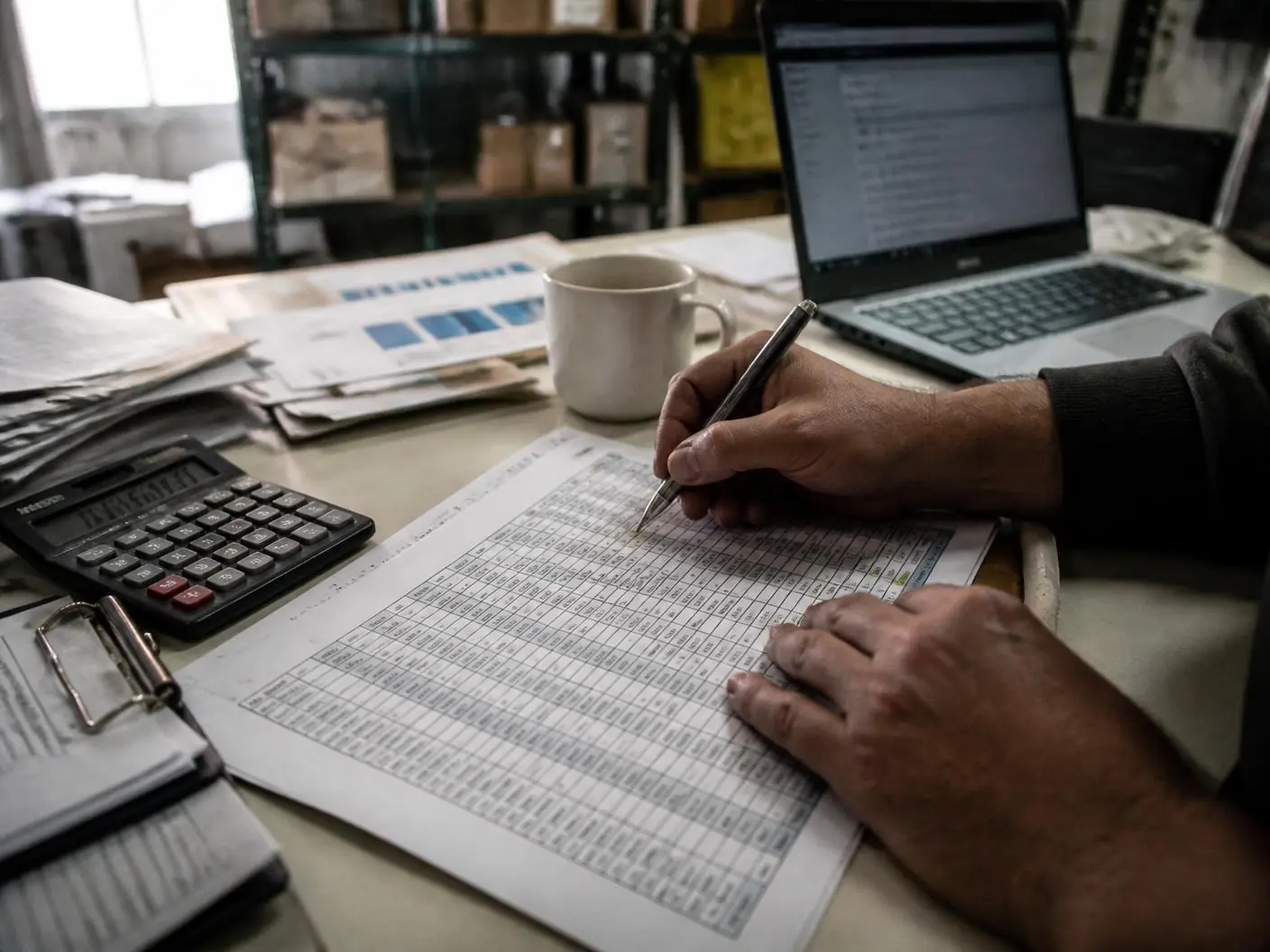
Invoice, manifest summary, condition grade and bill of lading are issued in writing under our Texas-formed entity — the paperwork your accountant and your state resale filings need.
Wholesale liquidation supplier · Graded truckloads & pallets nationwide from Dallas, Texas
Start here
How liquidation inventory is created, graded and sold — plus the risks, written out plainly, so you know exactly what you are buying before you spend a dollar.
Published by
PalletCove Liquidation LLC
Formed in Texas
Hours (CT)
Monday – Friday: 8:00 AM – 6:00 PM CT
Saturday: 9:00 AM – 2:00 PM CT
Sunday: Closed
The basics
Retail liquidation is the business of buying inventory a retailer no longer wants to hold and moving it to someone who does. Most of that inventory is sellable product that simply lost its place in a supply chain built for speed rather than storage.
A large retailer measures success in shelf turns. When a product stops turning — the season changed, the line was discontinued, a customer sent it back — holding it costs more than clearing it. So it is consolidated, palletised and sold in bulk. Liquidators like PalletCove buy at that stage, count and grade the goods, and resell them by the pallet or the trailer.
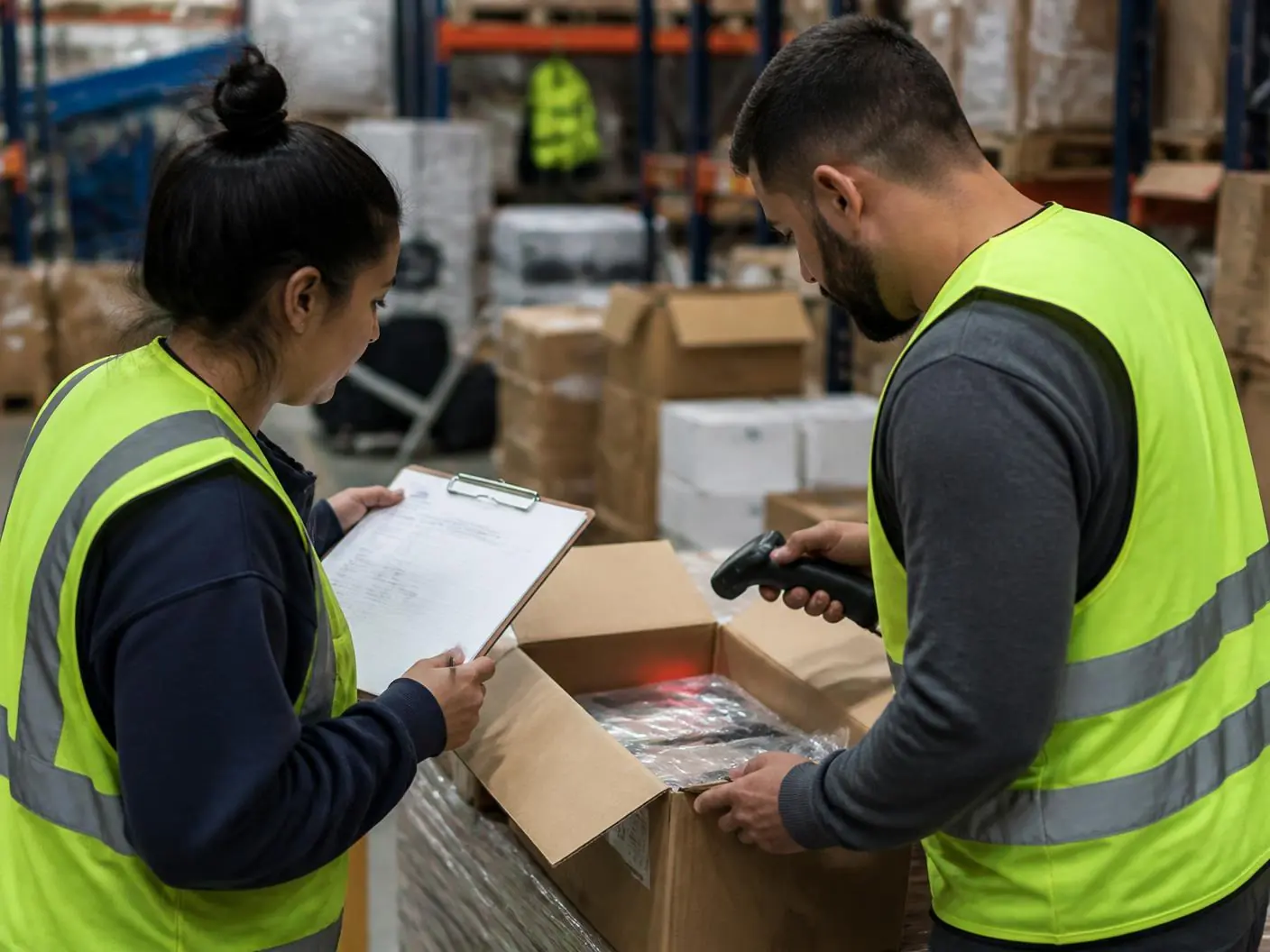
We are an independent reseller. We buy loads through retailer liquidation channels and established secondary-market suppliers, receive them at our Dallas warehouse, count them against the supplier manifest and grade them to a written standard. Each listing then states the load type, condition grade, pallet count and whether a manifest is included.
We do not promise profit, quote resale multiples, or describe any load as guaranteed working merchandise. We are not affiliated with, authorised by or endorsed by any retailer or brand named on this site; those names describe where inventory originally came from and nothing more.
Four stages between a retailer's back room and your shelves. We sit at stage three.
01
Retailer
A retail chain accumulates customer returns, overstock and shelf-pulls faster than its stores can absorb them.
02
Consolidation
Goods move to a reverse-logistics facility, are sorted at a high level and palletised by category or condition.
03
Liquidator
We buy that inventory through retailer liquidation channels and secondary-market suppliers and bring it to our Dallas, Texas warehouse for counting and grading.
04
Reseller
You buy a pallet or a full trailer, sort at the unit level and sell into your own market.
Grading
The grade tells you how much sorting work a load will be. It is stated on every listing and never upgraded in the description.
| Grade | What it means | Sorting effort | Testing |
|---|---|---|---|
| Overstock | Unsold, unused product that never left the retail supply chain. Packaging may show storage or shelf wear. | Light — mostly counting and repacking | Not function-tested |
| Shelf-pulls | Unused units removed from the sales floor for a reset or season change. Packaging is often opened or scuffed. | Light to moderate — repackaging is common | Not function-tested |
| Customer returns | Units bought and sent back for any reason — wrong size, changed mind, or a fault. A mix of working, lightly used and non-functional items. | Heavy — unit-by-unit inspection expected | Not function-tested |
| Salvage | Damaged, incomplete or recovered inventory sold for parts, repair or scrap value. | Heavy — sold as parts, not working goods | Not function-tested |
Loads are counted against the supplier manifest and graded by our warehouse team. Individual units in customer-return and salvage loads are not function-tested, and pricing reflects that.
The buyers
There is no licence requirement and no minimum beyond a single pallet. These are the buyer types our team works with most.
Bin stores
Flat-price bins restocked from mixed general merchandise pallets.
Flea market vendors
Booth sellers moving tools, household goods and health & beauty lines.
Online resellers
Marketplace sellers listing piece by piece after their own inspection.
Discount retail stores
Independent stores filling fixed shelf space with mixed retail lots.
Export buyers
Buyers collecting from our Dallas dock and arranging their own forwarder.
Repair and refurb shops
Buyers taking returns and salvage specifically for parts recovery.
Before you buy
Liquidation is a real business with real risk. Anyone who tells you otherwise is selling you something else.
Goods are sold as-is
Liquidation merchandise carries no manufacturer or retailer warranty. Some units in a returns load will not work. That is normal for the category and is reflected in the price.
Retail values are estimates
Manifest retail values are supplier-stated reference figures, not appraisals. They help you compare loads. They are not a valuation of what you will receive or a forecast of what you will sell.
Unmanifested loads are sold by category
When no manifest exists, the listing says so and describes category mix, condition and pallet count instead. Specific items are never promised in an unmanifested load.
No income promises, ever
We do not project profit, quote resale multiples or promise results. What you earn depends on your market, your labour and your pricing — none of which we control.
Buying from PalletCove
Published rates, published handling times and a representative who confirms your total before payment is collected.
| Delivery option | Rate | Typical transit |
|---|---|---|
| Free freight deliveryEvery pallet and truckload ships free to all 48 contiguous states, delivered on a scheduled appointment with unloading handled for you. | Free | 3–7 business days |
Handling is 3 business days after payment clears, before transit begins. Sales tax is calculated at 8.25% and shown on your order summary, then covered by PalletCove on qualifying orders.
How buying works
A wholesale liquidation purchase should read like a freight contract, not a gamble. Here is exactly what happens after you choose a load.
Every pallet and truckload lists condition grade, unit count, category mix and estimated retail value before you commit. Ask our desk for the line-level manifest on any load.
Checkout places the load on hold in your name and generates a formal invoice from PalletCove Liquidation LLC. Nothing is charged automatically and a representative confirms freight in writing.
Card payments run on our processor's encrypted PCI-DSS page. Wires initiated before 2:00 PM CT clear the same business day, and resale certificates on file are invoiced tax-exempt.
Loads ship in 3 business days after payment clears, with a bill of lading and tracking issued the day the trailer leaves our dock.
Keep reading
PalletCove Liquidation is an independent liquidation reseller operated by PalletCove Liquidation LLC. Liquidation merchandise is sold as-is with no manufacturer or retailer warranty. Manifest retail values are supplier-stated estimates, not appraisals, and we make no claim or promise about resale income. Retailer and brand names describe the original source of inventory only and imply no affiliation, authorisation or endorsement. Prices are shown in US dollars and we ship to the 48 contiguous United States only.
Loads are picked, wrapped and dispatched in 3 business days after payment clears, direct from our Dallas, Texas warehouse.
Contiguous states served by our freight network
Business days maximum handling time after payment clears
Liquidation loads listed in our Dallas catalogue
Verified buyer rating across 44 reviews
Buyer protection
Wholesale liquidation attracts imitators. These are the checks that let a professional reseller buy from us with confidence.
Invoice, manifest summary, condition grade and bill of lading are issued in writing under our Texas-formed entity — the paperwork your accountant and your state resale filings need.
Outbound trailers ship with a bill of lading, carrier name and tracking. Damage discovered at delivery is claimable when noted on the delivery receipt.
We invoice first and confirm payment instructions by phone before any funds move, so you always know exactly who you are paying and why.
Questions before you buy? Read our payment policy and refund policy, or call (713) 819-3904 and speak to a load specialist.