
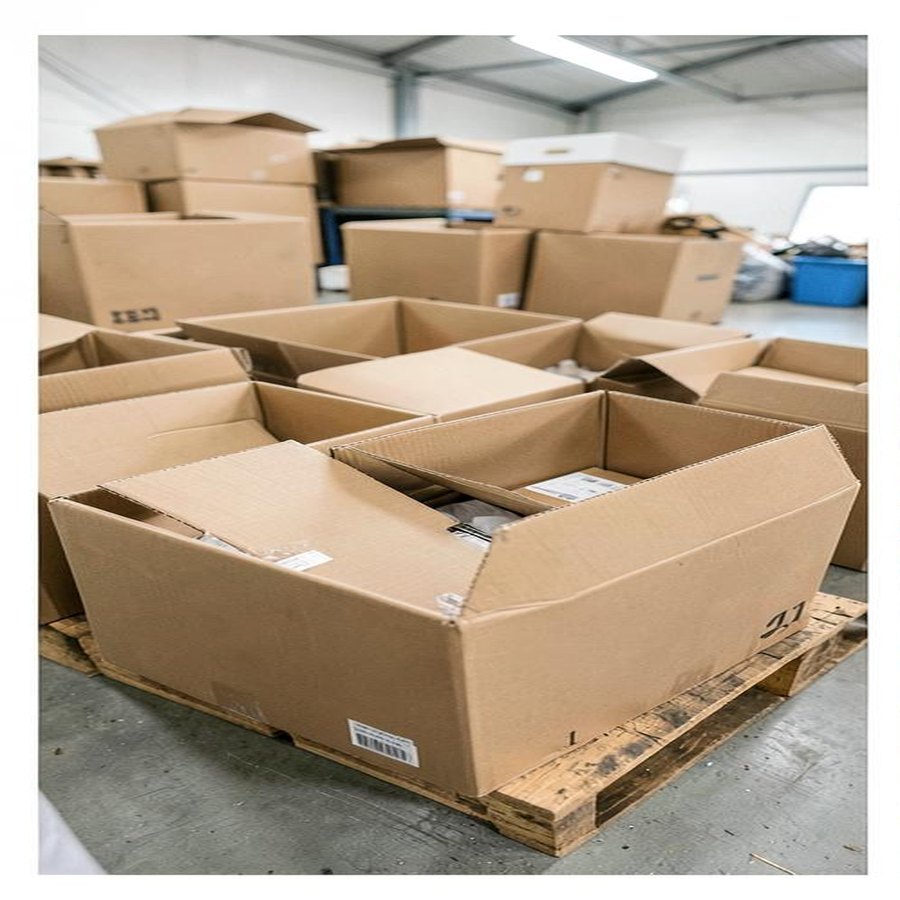
A liquidation pallet labeled “customer returns” can contain unopened merchandise, used products, incomplete sets and items that do not work. An overstock pallet may contain unused goods with damaged packaging. Neither label, by itself, tells a reseller exactly how much inspection, cleaning or repair will be necessary.
Understanding customer returns pallets condition grades starts with separating three things: where the merchandise came from, how its condition is described and what documentation supports that description. Those details determine what you should ask before ordering and how you should plan your receiving and processing workflow.
PalletCove Liquidation supplies manifested and category-level liquidation pallets and full truckloads from Dallas, Texas. This guide explains the terminology, what may arrive inside each load and how to evaluate the information available without treating an as-is purchase as a guaranteed assortment.
1. Customer returns, overstock and shelf pulls describe origins
These terms primarily explain why merchandise entered liquidation. They are not universal quality grades. For background on how inventory moves into the secondary market, see our liquidation supply overview.
Customer returns
Customer returns are products that buyers sent or brought back. Return reasons can include sizing, preference, shipping damage, missing parts or a reported defect. Some products may appear unused; others may show substantial use.
Inside a customer returns pallet, you may encounter original cartons, opened retail boxes, repackaged items, loose accessories and products without packaging. A return reason such as “did not work” is not a technician’s diagnosis, and “changed mind” is not proof that an item is complete or functional.
Overstock
Overstock is excess inventory that was not needed in its original sales channel. Seasonal transitions, assortment changes and surplus purchasing can send unused merchandise into liquidation.
What arrives may include repeated SKUs, case-packed units and older models. Packaging can show storage wear, and date-sensitive products still require inspection. Overstock does not automatically mean current-season inventory, factory-sealed cartons or manufacturer warranty eligibility.
Shelf pulls
Shelf pulls are products removed from retail shelves or displays. They may be unsold, but their packaging can carry price stickers, security labels, fading, dust or handling damage.
Some loads may include display merchandise with cosmetic wear or missing packaging. Ask whether display units are included rather than assuming every shelf pull has remained untouched in a sealed box.
Salvage
Salvage describes merchandise offered with significant impairment or uncertainty, often for repair, parts recovery or recycling. Items may be broken, incomplete, heavily worn or uneconomical to restore.
A salvage buyer needs a realistic route for unusable material. Do not assume every item has recoverable parts or can legally and safely return to consumer use.
2. Condition grades describe state, not guaranteed outcomes
There is no universal liquidation grading scale. Grade A from one supplier may mean something different from Grade A elsewhere. The following table explains common industry usage, not a promise that every PalletCove listing uses these labels.
| Common condition description | What may arrive | What to verify |
|---|---|---|
| --- | --- | --- |
| New or unused | Merchandise with no apparent use; packaging may vary | Whether seals, accessories and retail packaging are present |
| Open box or like new | Opened packaging and merchandise with little apparent wear | Testing scope, completeness and cosmetic standards |
| Grade A | Typically cleaner merchandise with limited visible wear | The seller’s actual definition and whether functionality was checked |
| Grade B | Visible wear, packaging damage or other disclosed issues | Which defects are allowed and whether parts may be missing |
| Grade C | More substantial wear, damage or repair needs | Functional limitations and repair requirements |
| Untested or mixed condition | Units with unknown functionality or varied conditions | Whether any sorting or testing occurred |
| Salvage | Damaged, defective or incomplete merchandise | Intended disposition and safe handling needs |
A condition grade should address several separate dimensions: appearance, functionality, completeness and packaging. A clean-looking appliance can lack a critical attachment. A working tool can have cosmetic damage that affects how you describe it to your own customer.
“Tested” also needs a definition. A power-on check does not establish battery capacity, performance under load or operation of every feature. “Refurbished” should prompt questions about who performed the work and what process was used.
Key takeaway: Origin labels explain where goods came from; condition grades describe their reported state. Neither replaces item-level inspection or the terms of an as-is sale.
Tier numbers require the same caution. The names Home Depot Tier 2 truckload and Home Depot Tier 3 truckload are starting points for comparing listings, not evidence of a universal grading hierarchy. Verify each current listing’s description before drawing conclusions about condition.
3. Load types determine how much detail you can evaluate
A liquidation pallet is a shipping unit, not a condition standard. A truckload is a larger purchase format, not a promise of consistency. Our guide to liquidation pallet types explains the broader assortment choices.
Common buying formats include:
- Manifested pallets: supplied with an inventory document identifying some level of product detail.
- Category-level pallets: described primarily by merchandise category rather than a complete itemized inventory.
- Mixed general merchandise: multiple product categories requiring different inspection and resale workflows.
- Category-focused truckloads: larger assortments centered on a particular department or product family.
- Full trailer loads: larger shipments whose pallet count, configuration and unloading requirements need confirmation.
Manifested does not mean individually tested. Category-level does not mean uniform condition. Both formats require you to review the disclosed origin and condition information.
Compare general merchandise liquidation inventory with truckload liquidation inventory according to your workspace, equipment and processing capacity. A full trailer can create a receiving backlog if you lack room to separate unopened inventory, tested goods and unusable material.
PalletCove is an independent reseller and is not affiliated with, endorsed by or sponsored by any retailer named in this article or its inventory listings.
4. Read the manifest as evidence, not a condition guarantee
A manifest can help you understand an assortment before purchase, but its usefulness depends on its fields and limitations. Some documents include item descriptions, SKUs, quantities and reference retail prices; others provide less detail.
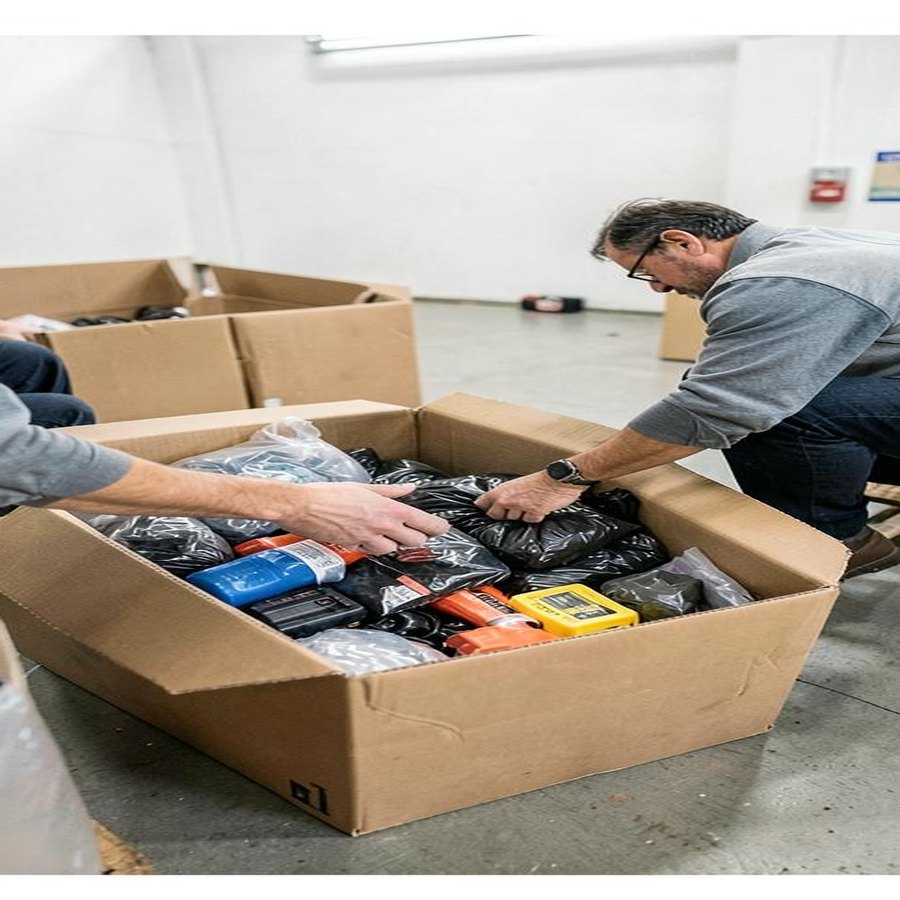
Use this review sequence:
- Confirm the scope. Determine whether the document covers the exact offered pallet or truckload, rather than a sample assortment.
- Check identifiers. Compare model numbers, sizes, colors and variants instead of relying only on broad descriptions.
- Clarify quantities. Ask whether a listed unit means one product, a multipack, a case or a component.
- Read condition fields. Determine whether condition is recorded per item or applied to the entire load.
- Identify unknowns. Missing descriptions, vague categories and absent testing details deserve questions.
- Review qualifications. Check whether quantities are represented as exact or approximate and how discrepancies are handled.
A manifest containing reference retail values is not a resale forecast. Those figures may not reflect current demand, packaging condition, missing components or the cost of preparing merchandise for sale.
For a field-by-field approach, use our guide to reading a liquidation pallet manifest. Keep a copy of the document associated with your order, along with the listing and any written clarifications.
Photos need similar scrutiny. Ask whether they show the actual load or are representative. Visible top-layer merchandise cannot establish what is underneath, and a sealed carton does not independently prove its contents.
5. Understand pricing and your processing costs
At PalletCove, freight is included in the listed price. Free shipping is the only delivery option on every order to all 48 contiguous states. PalletCove also covers sales tax on qualifying orders; do not assume every purchase qualifies without reviewing the requirements.
Your evaluation should still account for work after delivery. An inexpensive-looking assortment can demand extensive sorting, testing, cleaning and parts sourcing.
Build an internal worksheet that separates:
- The listed purchase price and stated quantity.
- Labor needed to receive, inspect, photograph and list merchandise.
- Cleaning materials, replacement packaging and suitable testing equipment.
- Parts or accessories you may need to source.
- Storage, selling-channel expenses and responsible disposal costs.
Dividing the purchase price by the stated unit count gives an average acquisition cost, not a cost per saleable unit. Incomplete, restricted or unsafe products may never become listings.
A resale certificate may be relevant to qualifying business purchases. Ask what documentation applies to your order and review the sales tax coverage policy. No condition grade establishes profit, resale value or a guaranteed proportion of usable goods.
6. Ordering, payment and free shipping
Before paying, match the load to your capabilities. Electronics can require account-lock checks and functional testing; tools may need compatible batteries or chargers; apparel requires size, stain and fastening checks. Only choose categories you can assess safely and describe accurately.
A practical ordering checklist is:
- Review the current listing, load type and condition description.
- Request available manifest details and clarification of ambiguous labels.
- Confirm the quantity basis and whether photos show the offered merchandise.
- Provide complete delivery and contact information.
- Confirm receiving access and unloading arrangements for the shipment.
- Review applicable policies before completing payment.
PalletCove accepts credit/debit card, ACH bank transfer and domestic bank wire. Handling takes 1–3 business days after payment clears. Transit from Dallas is typically 3–7 business days; transit time is separate from handling time and is not a guaranteed arrival date.
Smaller pallet shipments commonly move by LTL, meaning less-than-truckload freight, while larger orders may occupy a full trailer. Confirm the actual shipping configuration and what your receiving location must accommodate. Free shipping does not eliminate the need to plan safe unloading and adequate access.
Review the free shipping and delivery policy before arranging staff or equipment. Free shipping is the only delivery option for every order throughout the 48 contiguous states, with freight included in the listed price.
7. Delivery inspection, returns and claims
Delivery-day inspection has two purposes: documenting the shipment’s arrival condition and starting your inventory reconciliation. It cannot establish full functionality while the driver waits.
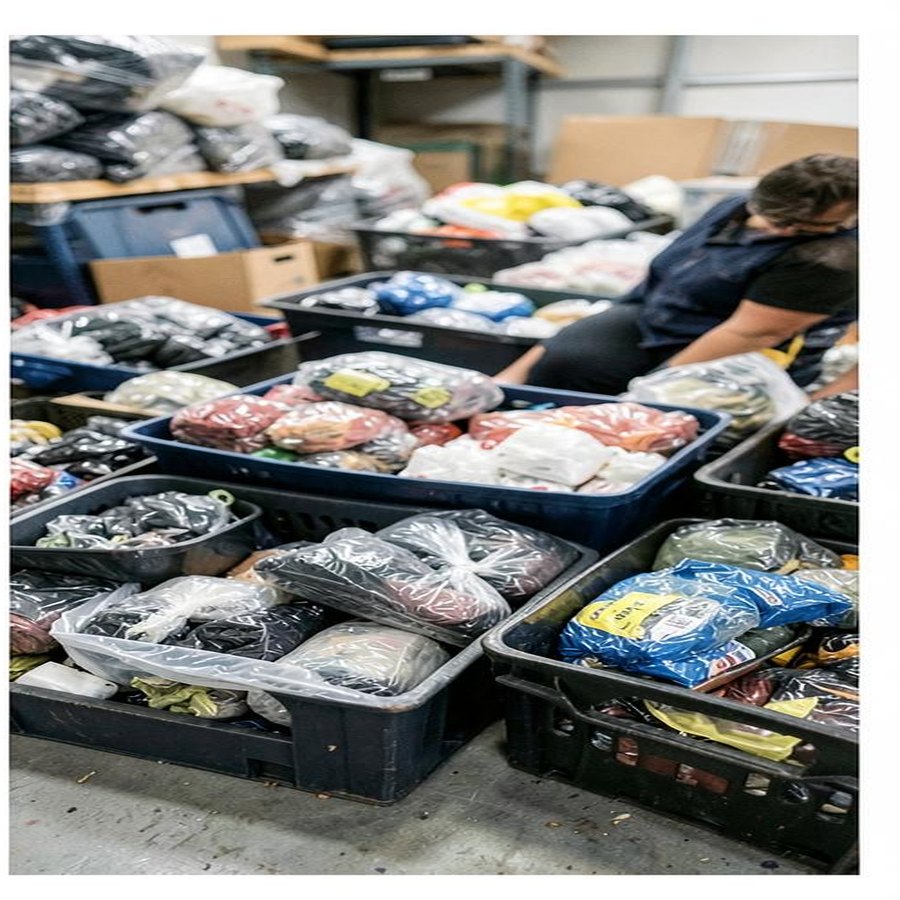
Before opening or moving the load extensively:
- Compare the delivered pallet or shipping-unit count with the freight paperwork.
- Photograph the shipment, labels, wrap and visible carton damage.
- Record visible shortages or damage accurately on the delivery receipt where applicable.
- Retain the bill of lading, delivery receipt and order records.
- Preserve relevant packaging while a discrepancy is being reviewed.
After unloading, create an intake record linking items to the order. Separate inventory into categories such as ready for further evaluation, missing parts, repair assessment and unsuitable for resale. Keep original receiving observations distinct from your later testing results.
All PalletCove merchandise is sold as-is for resale. Ordinary wear, missing accessories or nonworking products may be consistent with a disclosed returns or salvage load. Transit damage, an apparent shipping shortage and disagreement with a disclosed condition grade are different issues and need different evidence.
Consult the returns and claims policy for applicable procedures, deadlines and eligibility. Contact PalletCove promptly with the order number, photographs, shipping documents and a concise description. Do not assume a refund, replacement or credit is available, and do not discard relevant evidence before receiving instructions.
Before resale, check applicable recalls and restrictions. Do not list recalled products or merchandise you cannot safely evaluate. Handle damaged batteries, chemicals and other hazardous material through appropriate channels.
Frequently asked questions
Are customer returns pallets always defective?
No. Customer returns can include unused, opened, used, incomplete and defective merchandise. The returns label alone does not establish the condition of an individual unit or the composition of a specific load.
Is overstock better than shelf pulls?
Neither label guarantees a better fit for your business. Overstock may offer repeated units but include older models, while shelf pulls may have packaging wear or retail labels. Evaluate the actual assortment, documentation and work required rather than ranking origin labels alone.
Does a manifest guarantee working or complete products?
No. A manifest is an inventory document, and functionality or completeness must be addressed separately in the listing or supporting information. Even detailed product identification does not substitute for a defined testing process.
What mistakes do first-time liquidation buyers make?
Common mistakes include treating Grade A as universal, equating a retail reference price with resale value and buying more inventory than they can process. Buyers also overlook missing accessories, date restrictions and representative photos. Resolve uncertainties before payment rather than relying on assumptions.
Can I return merchandise that does not work?
All merchandise is sold as-is for resale, so a nonworking item does not automatically qualify for a return or claim. Review the applicable policy and the condition disclosed for your order. Preserve evidence and request guidance if you believe there is a qualifying discrepancy.
How does PalletCove shipping work?
Free shipping is the only delivery option on every order to all 48 contiguous states, and freight is included in the listed price. Handling takes 1–3 business days after payment clears, followed by typical transit of 3–7 business days from Dallas. Confirm receiving access and unloading arrangements before shipment.
Talk to PalletCove Liquidation
Choose a load by its documented contents, disclosed condition and fit with your inspection workflow—not by a grade label alone. For questions about an available pallet or truckload, contact our order desk or review current inventory.
PalletCove Liquidation LLC
- Address: 4820 Cove Industrial Blvd, Dallas, TX 75236
- Phone: (713) 819-3904
- Email: sales@palletcoveliquidation.com
- Hours: Mon–Fri 8:00 AM – 6:00 PM CT, Sat 9:00 AM – 2:00 PM CT, Sun closed