
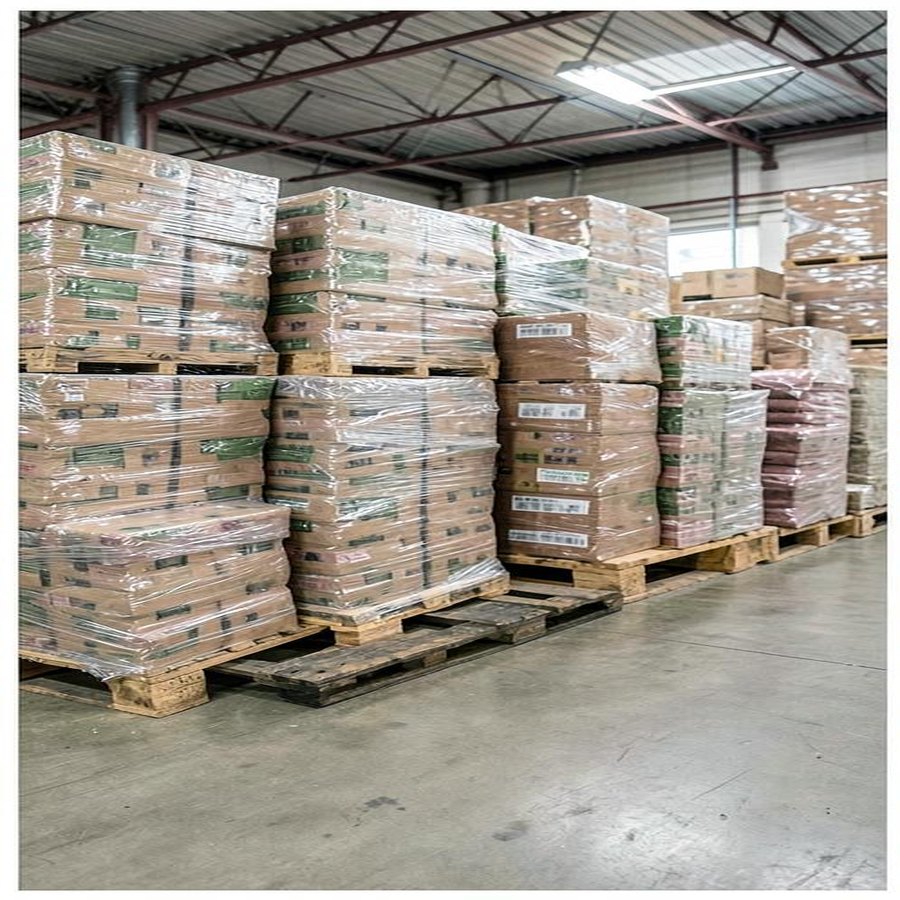
Buying wholesale pallets for resale is an inventory decision, not simply a search for the lowest price. A load that suits a local tool dealer may be a poor fit for an online clothing seller. Category, condition, processing time, storage, and sales-channel rules all influence whether the merchandise belongs in your business.
PalletCove Liquidation supplies manifested and category-level liquidation pallets and full truckloads from Dallas, Texas. This guide compares general merchandise, tools, apparel, and health & beauty, then explains how to evaluate a listing, plan your budget, and receive an order. All merchandise is sold as-is for resale; no category or condition description guarantees an outcome.
Understand the load before choosing a category
A liquidation pallet is a consolidated group of merchandise offered as one purchase. A truckload is a larger shipment, often occupying a full trailer. Neither term tells you the exact unit count, condition, or assortment: those details must come from the specific listing and any available manifest.
The liquidation inventory overview explains the broader buying model, while the guide to liquidation pallet types helps distinguish common formats:
- Manifested lots: Include an itemized inventory file. Available fields may include descriptions, quantities, identifiers, and condition information.
- Category-level lots: Describe the merchandise family without necessarily identifying every item or quantity.
- Mixed general merchandise: Combine several product types, potentially requiring different testing and selling workflows.
- Full truckloads: Require greater receiving space, sorting capacity, and inventory control than a smaller pallet purchase.
A pallet shipment may move by LTL, meaning less-than-truckload transportation shared with other shipments. A full trailer carries a larger order. Transportation format does not establish merchandise quality, and pallet count alone is not a reliable measure of inventory volume or value.
Compare four resale categories
The best category is usually one you can identify, inspect, store, and sell consistently. Start with your existing customers and capabilities rather than assuming that a familiar retailer name means an easy assortment.
| Category | Potential sales-channel fit | Main inspection work | Common bottleneck |
|---|---|---|---|
| --- | --- | --- | --- |
| General merchandise | Local stores, flea markets, mixed online catalogs | Identify items, count components, test applicable products | Many unrelated listing and storage workflows |
| Tools | Local trades, specialist shops, tool-focused online sellers | Check operation, accessories, model compatibility, safety | Testing time and incomplete kits |
| Apparel | Clothing stores, live selling, online fashion channels | Verify size, style, stains, closures, and labels | Uneven size runs and seasonal demand |
| Health & beauty | Eligible local or online personal-care channels | Check seals, dates, lot codes, packaging, and restrictions | Unsellable opened, expired, or restricted products |
General merchandise: flexible assortment, demanding organization
General merchandise can suit a reseller with several selling outlets. Housewares, small appliances, seasonal goods, and other items may appear together, but the actual assortment depends on the lot.
Review general merchandise liquidation inventory with a plan for routing different products. Bulky goods may suit local sales, while identifiable compact items may fit online listings. Low-priced items can require disproportionate photography, testing, and handling time.
An Amazon general merchandise truckload listing is a place to evaluate a specific offer, not evidence that every load contains the same merchandise. Verify the current description, scope, and available inventory documentation.
Tools: technical knowledge matters
Tools reward careful identification and testing. Battery platforms, model numbers, chargers, guards, cases, and accessory sets can determine whether you can offer an item as a complete kit or must describe it differently.
When reviewing Home Depot liquidation inventory, distinguish hand tools, power tools, hardware, and other goods. They require different handling. For a tool and hardware truckload, ask what condition information and item-level detail are available before planning your testing bench.
Inspect cords, housings, safety features, and batteries before operation. Damaged batteries and unsafe electrical items need appropriate isolation and compliant handling, not a quick power-on test followed by a sales listing.
Apparel: plan for sizes, seasons, and listing labor
Apparel is not just a unit-count business. Size distribution, season, fabric, style, and presentation matter. A large quantity of one slow-moving size may be harder to place than a smaller, balanced assortment.
For Macy’s liquidation inventory, confirm whether the specific lot contains clothing, footwear, textiles, or another assortment. Do not infer the contents from the source name alone. Inspect labels, seams, closures, odors, stains, and packaging, then organize by size and product type before photography.
PalletCove is an independent reseller and is not affiliated with, endorsed by, or sponsored by any retailer named in this article.
Health & beauty: eligibility before listing
Health & beauty requires particularly careful screening. Check whether protective seals are intact, whether dates are present and readable, and whether packaging shows leaks, contamination, or damage. A missing expiration date does not establish that an item is suitable for sale.
Separate cosmetics, personal-care products, supplements, and over-the-counter products because their requirements differ. Check recalls and applicable marketplace rules; some channels restrict categories or require documentation. Do not sell recalled, contaminated, or otherwise prohibited products, and do not assume an unopened package makes every item eligible.
Read condition grades and manifests together
Condition terms describe different inventory histories, but grading systems are not universal. A supplier’s tier or grade label needs its own definition; a numbered tier is not a standardized industry condition guarantee.
- Overstock: Excess inventory that may still have storage wear, packaging damage, or other issues.
- Shelf pulls: Merchandise removed from selling shelves, potentially bearing markdown labels, handling wear, or incomplete packaging.
- Customer returns: Previously returned goods with potentially varied use, completeness, and functionality.
- Salvage: Inventory that may require repair, parts recovery, or appropriate disposal rather than ordinary resale.
A manifest is a planning tool, not a substitute for inspection. Check whether it describes the exact lot, when it was prepared, and whether quantities refer to individual units, multipacks, cases, or sets. Ask how substitutions or discrepancies are addressed under the applicable terms.
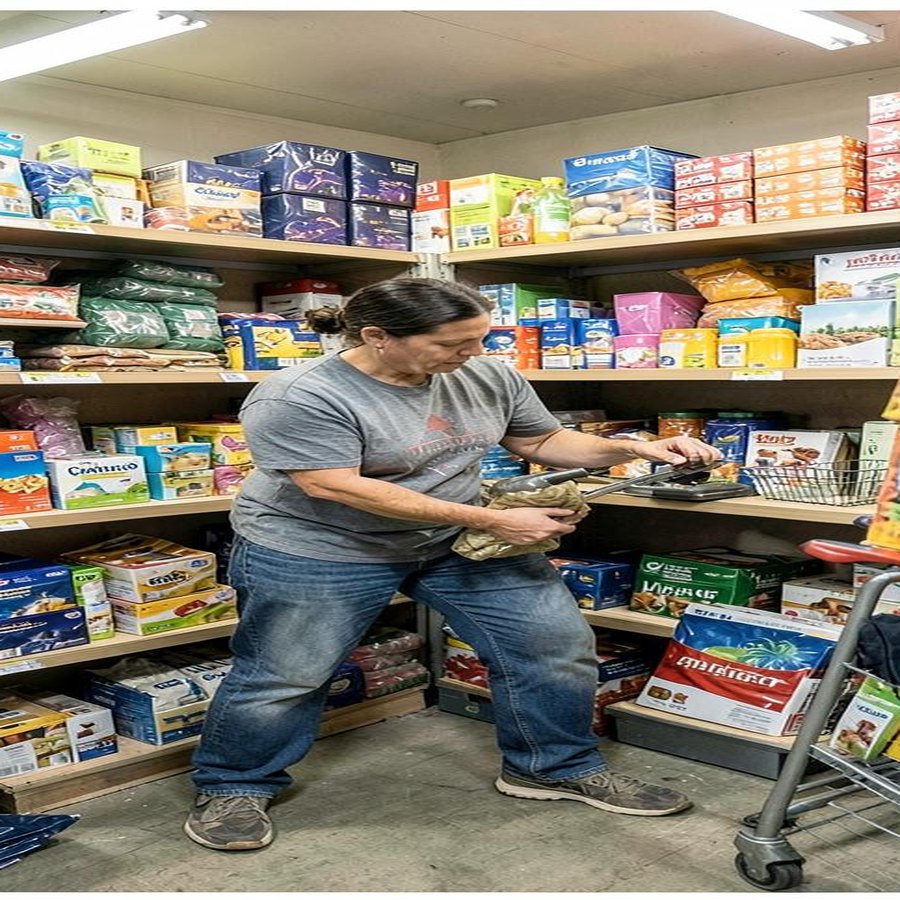
Prioritize SKU, UPC, model, size, quantity, and condition fields. Watch for duplicate rows, vague descriptions, missing identifiers, and accessories listed separately from primary products. Any retail-price field is reference information, not evidence of achievable resale proceeds.
The guide to reading Amazon return pallets provides another framework for examining return inventory. If a lot is unmanifested, acknowledge the information gap rather than filling it with assumptions based on representative photographs.
Choose the category you can process reliably, and buy the documented lot—not the assortment you hope is inside it.
Build a budget around usable inventory and labor
The listed PalletCove price includes freight. Free shipping is the only delivery option on every order to all 48 contiguous states. Compare purchases using that listed price, then separately budget for your own operations.
Your planning worksheet should include:
- Purchase amount: The current listed price for the specific pallet or truckload.
- Processing: Sorting, identification, testing, cleaning, photography, and inventory entry.
- Supplies and space: Shelving, bins, labels, protective packaging, and storage.
- Selling costs: Applicable platform charges, payment processing, and customer fulfillment expenses.
- Non-saleable inventory: Repair assessment, recycling, or lawful disposal where necessary.
Dividing the purchase price by the listed unit count gives an average acquisition cost per listed unit. It does not account for missing components, items that cannot be sold, or operating expenses. Mixed lots also contain unequal items, so that average should not become a uniform pricing rule.
Research completed sales for matching models and comparable conditions, not just active asking prices. Use that research to test your assumptions without treating it as a promise of resale value or profit. Keep enough working capital available to process inventory before it sells.
Order, pay, and prepare for free shipping
Before ordering, confirm the exact listing, load size, condition description, manifest availability, and whether photographs show the offered lot or are representative. Save the listing and supporting files with your purchase records.
For larger orders, the guide to buying liquidation truckloads can help you assess full-trailer readiness. Do not move from pallets to truckloads solely because a larger purchase appears attractive on a per-unit calculation.
PalletCove accepts credit/debit card, ACH bank transfer, and domestic bank wire. Review the payment policy and confirm payment instructions through an established business contact before sending funds.
Handling takes 1–3 business days after payment clears. Transit from Dallas is typically 3–7 business days, separate from handling; these are planning ranges rather than a guaranteed arrival date. The shipping policy provides the applicable delivery details. Free shipping is the only delivery option, and freight is included in every listed order price to the 48 contiguous states.
Sales tax on qualifying orders is covered by PalletCove. Check the sales tax policy for qualification requirements and ask whether a resale certificate or other documentation is needed for your order. A resale certificate is not a substitute for meeting your own business and tax obligations.
Receive carefully and document concerns
Prepare a clear receiving area and confirm delivery access, unloading requirements, and scheduling arrangements before dispatch. Tell the order desk about site constraints early. Have suitable staff, equipment, and safe storage ready for the shipment’s size.
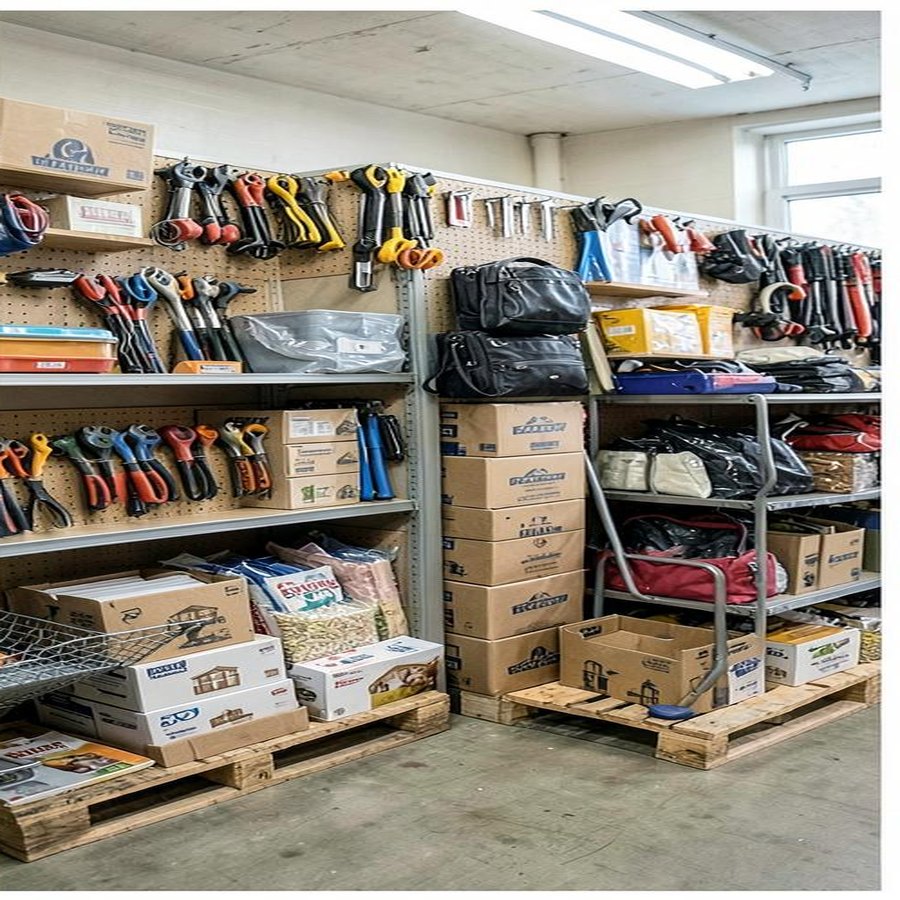
On delivery day:
- Match the shipment identification and pallet or package count to the shipping paperwork.
- Photograph the load before removing wrap, including labels and visible damage.
- Check for crushed cartons, broken wrapping, leaning pallets, leaks, and signs of disturbance.
- Record visible damage or shortages accurately on the delivery receipt before signing, following the carrier’s process.
- Retain paperwork and packaging, then reconcile the contents during sorting.
All merchandise is sold as-is for resale. That makes pre-purchase review essential; do not assume an ordinary retail return privilege, warranty, or allowance for disappointing inventory.
Read the refund and claims policy before payment for any applicable eligibility rules, deadlines, evidence requirements, and exclusions. If something appears inconsistent with the order or damaged in transit, contact PalletCove promptly with the order number, photographs, delivery records, and affected-item details. Reporting a concern does not itself guarantee a refund, replacement, or other remedy.
Avoid mistakes that slow inventory movement
Most preventable buying errors begin before checkout:
- Choosing by source name alone: Retailer-associated inventory can span different categories and conditions.
- Treating photographs as a manifest: A visible item does not establish the entire assortment or quantity.
- Ignoring channel restrictions: Check product eligibility before buying, especially in health & beauty.
- Underestimating processing: Tools need testing; apparel needs sorting; mixed merchandise needs multiple workflows.
- Scaling too early: A truckload can overwhelm space and staff even when pallet purchasing feels manageable.
- Delaying reconciliation: Prompt inspection produces clearer records than trying to reconstruct shortages weeks later.
Track each purchase as a separate lot. Record processing hours, units listed, items excluded from sale, customer issues, and how long inventory remains on hand. Your own records provide a stronger basis for the next category decision than broad claims about what always sells.
Frequently asked questions
Which wholesale pallets for resale are best for beginners?
Choose a category you already understand and a load you can inspect and store safely. General merchandise offers variety, but a narrower category may be easier if you already have relevant customers, product knowledge, and a repeatable listing process.
Does a manifest guarantee every item works?
No. A manifest describes inventory using the fields provided; it does not automatically establish functionality, completeness, or resale eligibility. Read it alongside the lot’s condition description and as-is terms.
Should I buy a pallet or a full truckload?
Base the decision on receiving capacity, processing speed, storage, and available capital. A full truckload requires a plan for the whole assortment, including inventory that takes longer to process or cannot be sold.
How does PalletCove shipping work?
Free shipping is the only delivery option on every order to all 48 contiguous states, with freight included in the listed price. Handling takes 1–3 business days after payment clears, and transit from Dallas is typically 3–7 business days.
Can I return merchandise that does not sell?
Do not assume slow sales create a right to return inventory. All merchandise is sold as-is for resale; consult the refund policy before purchasing for any applicable claim eligibility and procedures.
Talk to PalletCove Liquidation
Discuss your sales channel, preferred categories, receiving setup, and inspection capabilities before selecting a load. For listing questions, contact our order desk, or compare available offers in current inventory.
- Business: PalletCove Liquidation LLC
- Address: 4820 Cove Industrial Blvd, Dallas, TX 75236
- Phone: (713) 819-3904
- Email: sales@palletcoveliquidation.com
- Hours: Mon–Fri 8:00 AM – 6:00 PM CT, Sat 9:00 AM – 2:00 PM CT, Sun closed